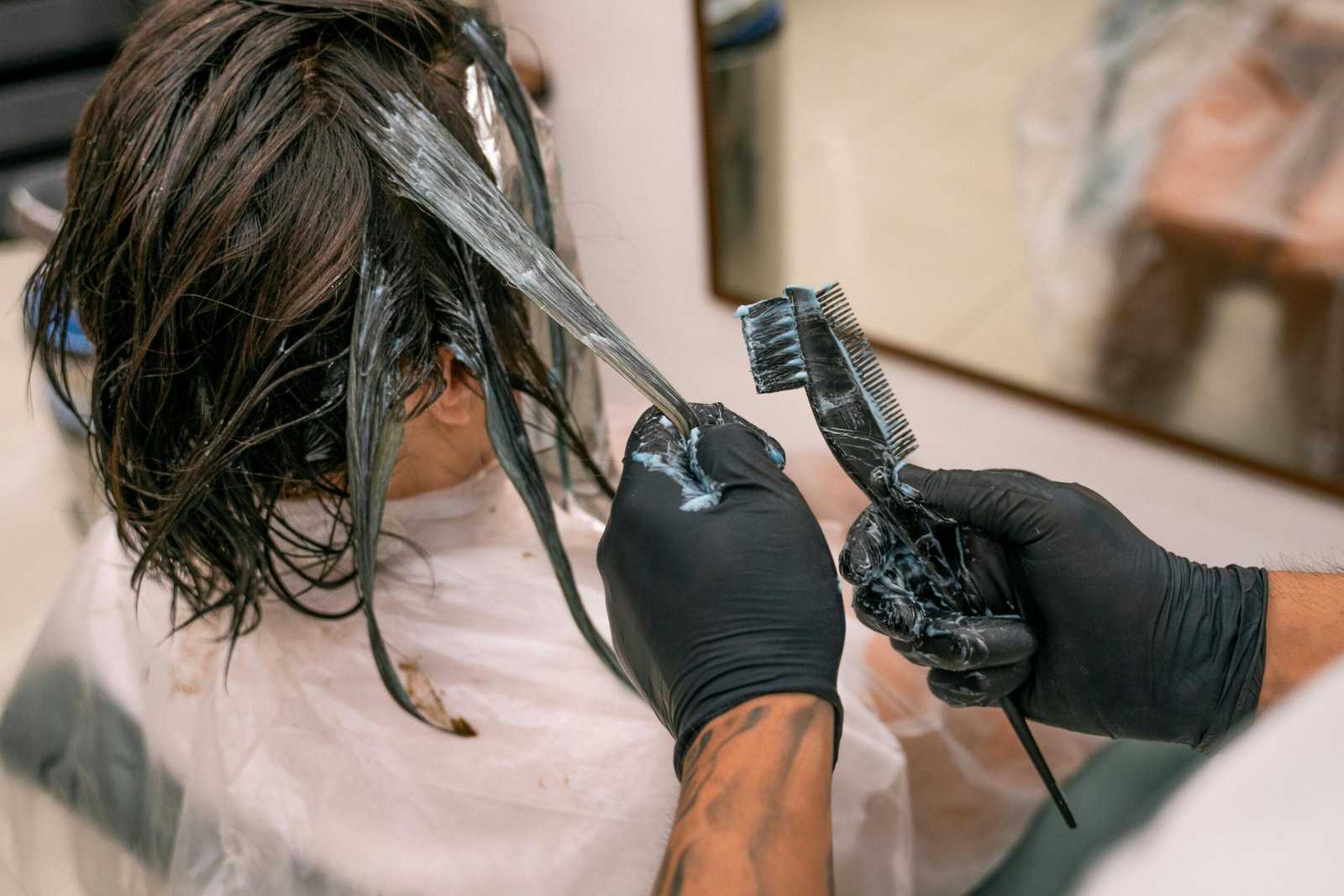
Hair coloring is a popular beauty practice, but one common problem many people face is unwanted dye stains on the skin. Whether you are coloring your hair at home or in a salon, it is easy for hair dye to accidentally touch areas like the forehead, ears, neck, or hands. These stains can look messy and may be difficult to remove if not treated properly. Since hair dyes are designed with strong pigments to last longer, they tend to stick to the skin temporarily. However, the good news is that there are safe, effective, and simple methods to remove these stains without damaging your skin. In this guide, you will learn professional, step-by-step solutions to remove hair color from skin easily and prevent it from happening again.
Understanding Hair Color Stains on Skin
Hair color stains on the skin are a frequent issue during both home and salon hair coloring processes. These stains usually appear on areas like the forehead, ears, neck, and hands where dye accidentally touches the skin. Hair dyes are formulated with strong pigments designed to penetrate deeply into hair strands, which is why they can temporarily adhere to the skin’s outer layer. Darker shades such as black and deep brown tend to leave more visible and stubborn stains compared to lighter colors. The skin absorbs a small amount of pigment, especially if left untreated for a long time. Environmental factors like heat and sweat can also make stains set faster. Understanding how these pigments interact with the skin helps in choosing the right removal technique. Early action is always more effective than delayed cleaning. Gentle methods should be preferred to avoid skin damage. With proper care, these stains can be removed safely without irritation.
Immediate Cleaning for Fresh Dye Stains
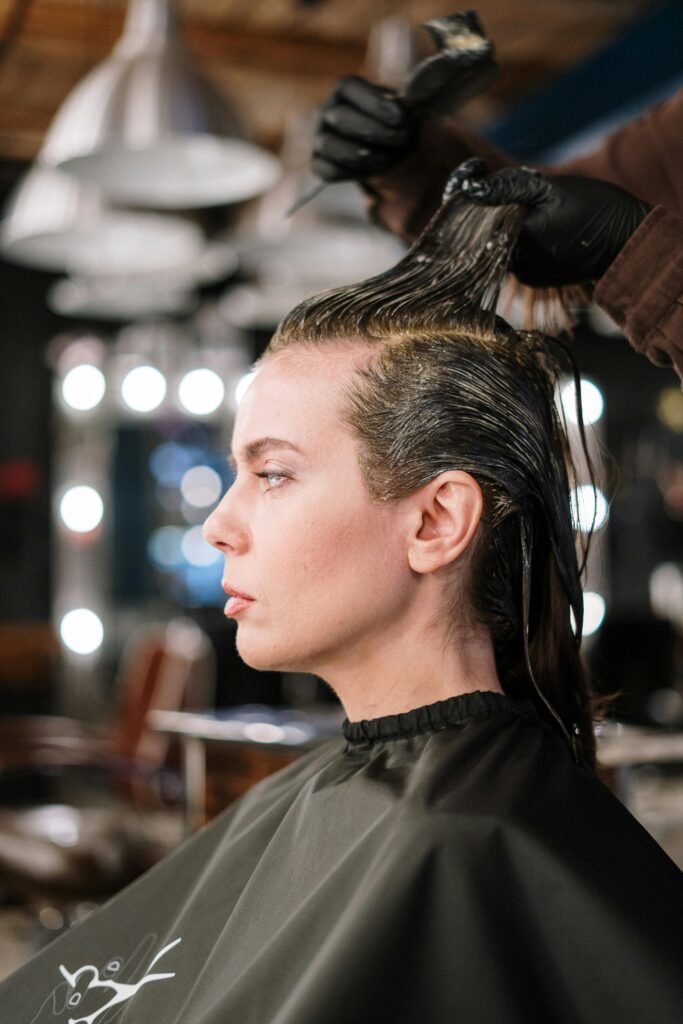
The most effective way to remove hair color from skin is to clean it immediately after it occurs. Fresh stains are still on the surface and have not fully bonded with the skin, making them easier to remove. Use a mild soap combined with lukewarm water to gently cleanse the area. Avoid using hot water, as it can open pores and allow the dye to settle deeper into the skin. A soft cloth or cotton pad can be used to wipe the stain carefully. Do not scrub aggressively, as this may cause redness or irritation. Repeating this process a few times can significantly reduce the stain. This method is simple but highly effective when done quickly. It is also the safest option for all skin types. Immediate cleaning often prevents the need for stronger removal methods later.
Oil-Based Solutions for Gentle Removal
Oil-based products are one of the safest and most recommended methods for removing hair dye stains. Oils such as coconut oil, olive oil, and baby oil work by breaking down the pigment molecules and loosening their hold on the skin. Apply a small amount of oil directly to the stained area and allow it to sit for a few minutes. This resting period helps the oil penetrate and dissolve the dye effectively. After that, gently wipe the area using a cotton pad or soft cloth. This method is particularly useful for people with sensitive or dry skin. Oils not only remove stains but also provide hydration and nourishment. Repeating the process can further lighten stubborn stains. It is a natural and chemical-free solution. This technique is widely preferred for facial areas due to its gentleness.
Exfoliation with Baking Soda and Cleanser
Exfoliation is a practical method for removing more persistent hair dye stains from the skin. Baking soda acts as a mild abrasive that helps remove the top layer of stained skin cells. When mixed with a gentle liquid cleanser, it forms an effective cleaning paste. Apply the mixture to the stained area and gently rub in circular motions. This helps lift the pigment without causing excessive irritation. It is important to avoid applying too much pressure during this process. After a few minutes, rinse thoroughly with lukewarm water. This method should not be used frequently, as over-exfoliation can damage the skin barrier. It works best for areas like hands and neck where the skin is less sensitive. Proper use can significantly reduce visible stains. Always follow with a moisturizer to restore skin balance.
Toothpaste as a Mild Abrasive Cleaner
Toothpaste is a commonly available household item that can effectively remove hair dye stains. Non-gel toothpaste contains mild abrasive particles that help scrub away pigment from the skin surface. Apply a small amount directly to the stained area and gently massage it using your fingertips. Allow it to sit for a few minutes so it can break down the dye particles. Then rinse it off with lukewarm water. This method is particularly effective for small and concentrated stains. However, it should be used carefully to avoid skin dryness. Avoid using whitening or strong chemical-based toothpaste variants. Repeating the process may improve results for stubborn spots. This is a quick and convenient method. It is suitable for occasional use when other products are not available.
Makeup Remover for Sensitive Areas
Makeup remover is another gentle and effective solution for removing hair dye stains, especially from the face. Products like micellar water are designed to remove pigments and impurities without harming the skin. Apply the remover onto a cotton pad and gently wipe the stained area. This method is safe for delicate skin regions such as around the eyes and forehead. It works best for light to moderate stains. Multiple applications may be required for deeper stains. The advantage of this method is that it does not cause irritation or dryness. It is easy to use and widely available. Makeup removers are a convenient option for quick cleaning. They are especially useful for daily touch-ups.
Professional Hair Dye Stain Removers
Professional stain removers are specially formulated products designed to remove hair dye from the skin efficiently. These are commonly used in salons and are now available for personal use. They contain ingredients that break down dye molecules without damaging the skin. Apply the remover according to the instructions provided on the product packaging. Use a cotton pad to gently wipe away the stain after application. These products are highly effective for dark and stubborn stains. They are also designed to minimize skin irritation. Choosing a high-quality product ensures better safety and performance. This method is ideal for those who frequently color their hair. It provides fast and reliable results. Professional removers are a valuable addition to your hair care routine.
Natural Bleaching with Lemon Juice
Lemon juice is a natural remedy known for its mild bleaching properties. It can help lighten hair dye stains on the skin over time. Apply a small amount of fresh lemon juice to the affected area using a cotton pad. Gently rub the area and allow it to sit for a few minutes. After that, rinse thoroughly with water. This method should be used cautiously, especially on sensitive skin. Lemon juice can cause dryness or irritation if overused. Avoid applying it on cuts or damaged skin. It is best suited for light stains. Always follow up with a moisturizer after use. This is a natural and cost-effective option.
Skin Care After Stain Removal
After removing hair dye stains, proper skin care is essential to maintain skin health. Some removal methods may leave the skin slightly dry or irritated. Applying a gentle moisturizer helps restore hydration and soothe the skin. Look for products with soothing ingredients like aloe vera or glycerin. This step ensures that the skin remains soft and healthy. Avoid using harsh products immediately after cleaning. Allow the skin to recover naturally. Proper aftercare prevents redness and dryness. It also improves overall skin appearance. Healthy skin enhances the final look after hair coloring.
Prevention Tips for Future Hair Coloring
Preventing hair dye stains is always more effective than removing them later. Before applying hair color, apply petroleum jelly around the hairline, ears, and neck to create a protective barrier. This prevents dye from sticking to the skin. Always wear gloves while applying hair color to protect your hands. Use a clean cloth to wipe off any spills immediately. Working carefully and using proper tools reduces the chances of staining. Preparing your workspace also helps avoid accidental contact. These simple precautions can save time and effort. Prevention ensures a cleaner and more professional coloring experience. It also reduces the need for repeated cleaning methods.