
Hair colouring technology has evolved significantly, offering multiple product formats to suit different lifestyles and expectations. Among the most commonly used at-home options are shampoo hair colour and cream hair dye. While both aim to enhance appearance and cover grey hair, their formulation, application method, durability, and performance vary considerably. Understanding these differences in a structured comparison helps determine which option aligns best hair color for women with individual needs.
Comparative Analysis
| Comparison Factor | Shampoo Hair Colour | Cream Hair Dye |
|---|---|---|
| Application Method | Applied like regular shampoo; no complex mixing required | Requires mixing colourant and developer before application |
| Ease of Use | Very beginner-friendly and convenient | Slightly technical; requires careful sectioning and even application |
| Time Required | Usually quicker process | Slightly longer due to preparation and processing time |
| Grey Coverage | Moderate coverage; may require repeated use for stubborn greys | Strong, deep coverage; effective for resistant grey hair |
| Colour Penetration | Mostly surface-level coating | Deep penetration into hair shaft |
| Longevity | Semi-permanent to moderate durability | Long-lasting, often permanent results |
| Chemical Strength | Generally milder formulations available | Can be stronger, though ammonia-free options exist |
| Scalp Sensitivity | Often better for sensitive scalps (depending on formula) | May cause irritation if strong developer is used |
| Maintenance Frequency | Requires more frequent touch-ups | Less frequent reapplication needed |
| Professional Finish | Natural and subtle result | Salon-like intensity and uniformity |
| Image | Product | Detail | Price |
|---|---|---|---|
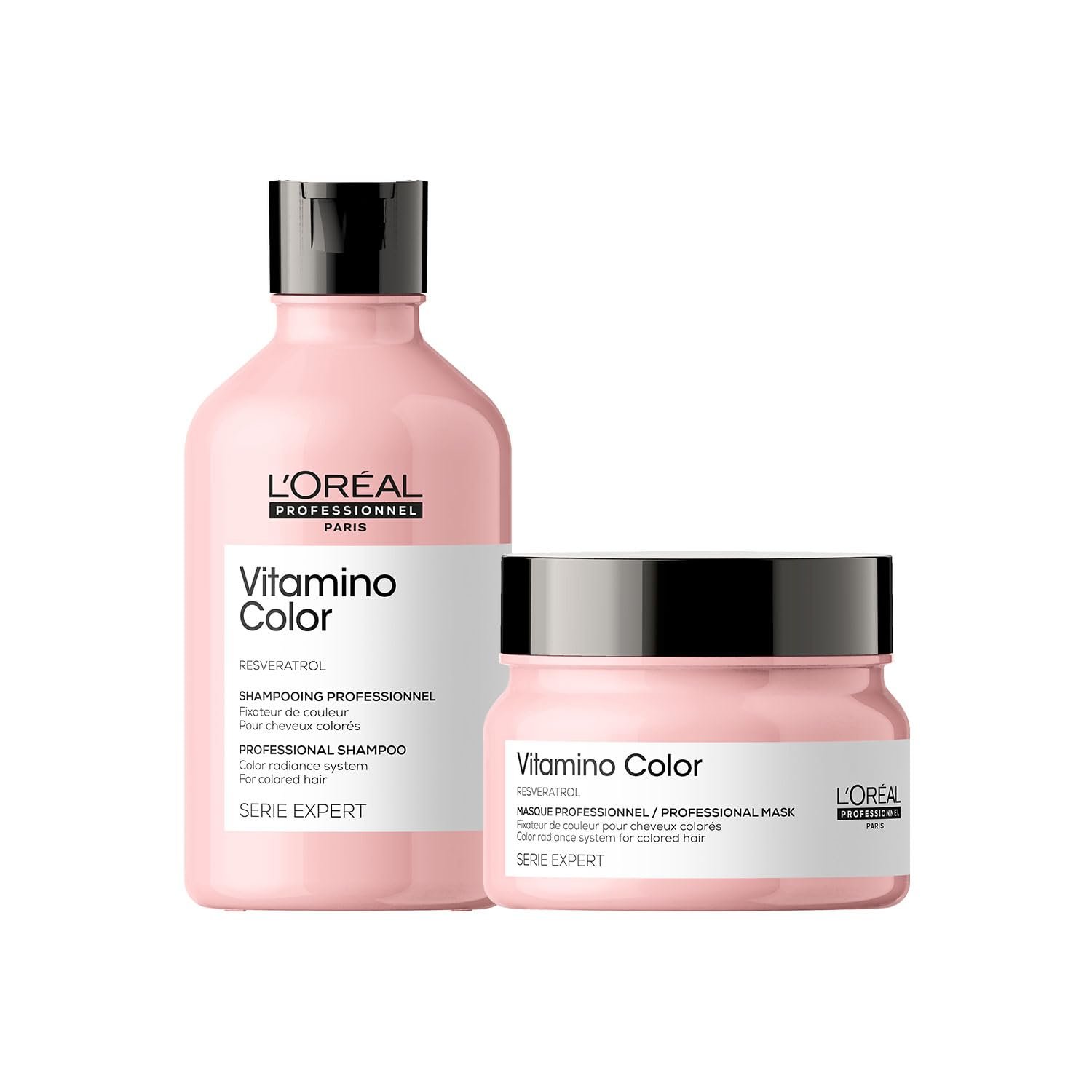 | L’Oréal Professionnel Vitamino Color Shampoo 300 ml |
| Price |
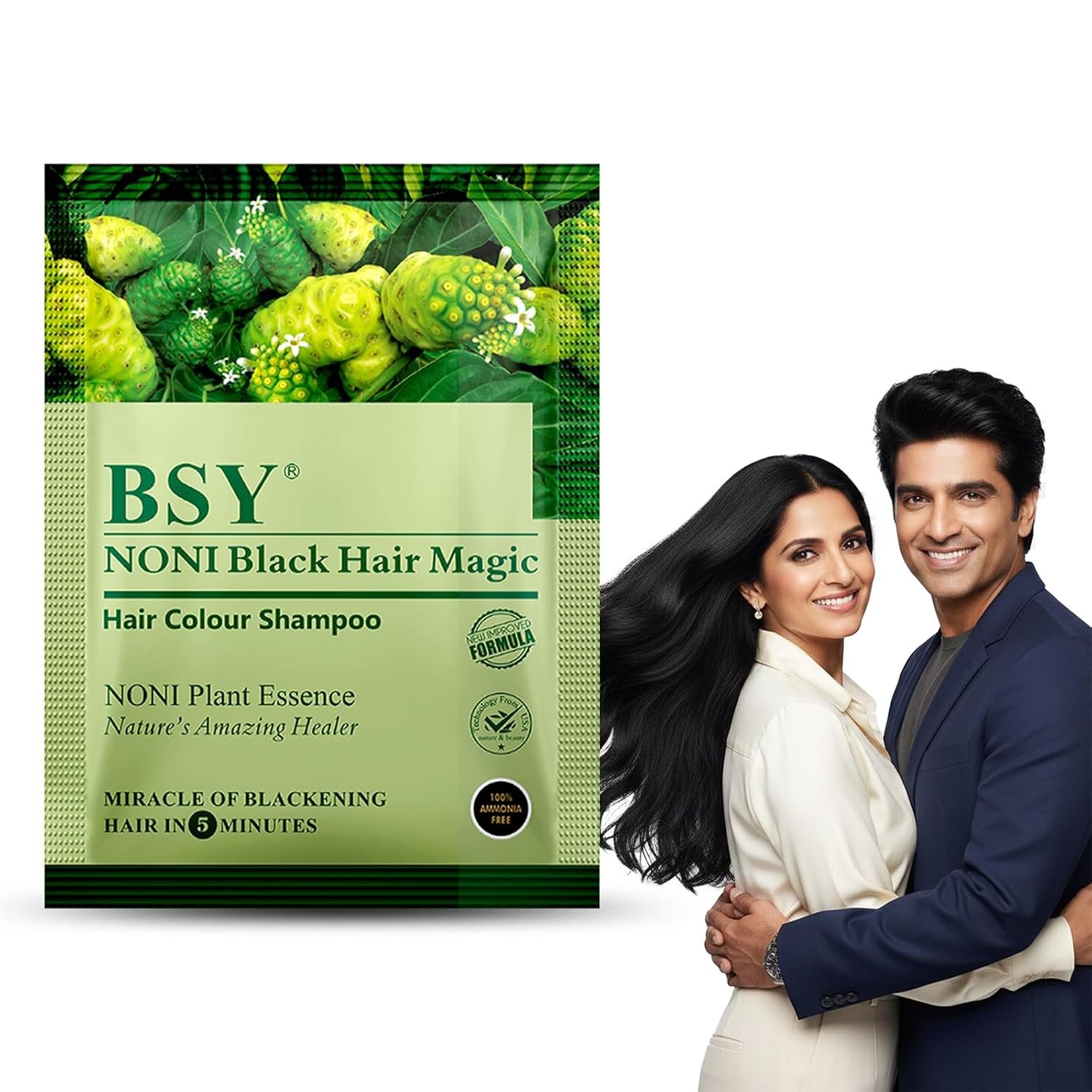 | BSY 5-Min 3 IN 1 Natural Hair Color Shampoo Black | Ammonia Free Long Lasting Hair Color |
| Price |
Detailed Evaluation
Shampoo hair colour is primarily designed for convenience. It appeals to users who prefer a quick, uncomplicated colouring routine. Because it is massaged into the hair similarly to shampoo, it reduces application errors and is ideal for first-time users. However, its pigment deposition is typically lighter, making it more suitable for subtle colour enhancement rather than dramatic transformation.
Cream hair dye, in contrast, is structured for performance and durability. The inclusion of a developer allows deeper cuticle penetration, ensuring rich colour payoff and superior grey coverage. This makes it a preferred choice for women seeking long-term results and complete transformation. However, the process requires more attention to timing, mixing accuracy, and even distribution.
Which Is Better?
The answer depends on the user’s priorities:
- If convenience, speed, and gentle formulation are most important, shampoo hair colour may be the better choice.
- If durability, strong grey coverage, and professional-quality finish are the goal, cream hair dye is generally superior.
There is no universally “better” option between shampoo hair colour and cream hair dye. Each serves a different purpose within hair care routines. A practical decision should be based on grey coverage needs, scalp sensitivity, desired longevity, and maintenance commitment. When selected appropriately, either option can deliver satisfying and confidence-enhhancing results.